
Not Possession, But Counterattack: The Lesson Asian Cricket Still Refuses to Read
**মূল উত্তর** এশিয়ার শীর্ষ ক্রিকেট দলগুলো গ্রুপ পর্বে ডট বল কমিয়ে নিয়ন্ত্রণ ধরে রাখলেও, নকআউটে ১১ থেকে ৪০ ওভারের মধ্যে ডট বলের অনুপাত বেড়ে যাওয়ায় স্কোরিং ভিত্তি তৈরি হয় না। এতে ধীর গতির দখলদারিত্ব ট্রফি থেকে দূরে সরিয়ে দেয়। **মূল তথ্য** - ১৯ নভেম্বর ২০২৩: আহমেদাবাদে ট্রাভিস হেডের ১৩৭ রানে অস্ট্রেলিয়া ভারতকে ৬ উইকেটে হারায়। - ১৭ সেপ্টেম্বর ২০২৩: কলম্বো ফাইনালে মোহাম্মদ সিরাজের ৬/২১; শ্রীলঙ্কা ৫০ রানে অলআউট। - ৯ মার্চ ২০২৫: দুবাইতে চ্যাম্পিয়ন্স ট্রফি ফাইনালে ভারত নিউজিল্যান্ডকে ৪ উইকেটে হারায়। - ২০২৩ এশিয়া কাপের ১৮ দিন পর শুরু হয় ওয়ানডে বিশ্বকাপ; এশিয়ার ক্যালেন্ডারে বিরতি প্রায় নেই। - ২০২৪ টি-টোয়েন্টি বিশ্বকাপে আফগানিস্তান অস্ট্রেলিয়াকে ২১ রানে হারিয়ে প্রথম সেমিফাইনালে যায়। **সূত্র উল্লেখ** মূল সূত্র: আইসিসি ম্যাচ রিপোর্ট ও Asian Cricket কাউন্সিল সূচি, ১৭ সেপ্টেম্বর ২০২৩ – ৯ মার্চ ২০২৫ | Cross-checked: cricsultan.com **সম্পর্কিত প্রশ্নোত্তর** প্রশ্ন: এশিয়ার দলগুলো নকআউটে কেন ডট বল বাড়ায়? উত্তর: নকআউটে সেরা সিমার নতুন বলে সুইং করান এবং স্পিনার-পেসার মিলে ১১–৪০ ওভারের জানালা বন্ধ করে দেন, ফলে ব্যাটসম্যান রক্ষণাত্মক অভ্যাসে ফিরে যান। প্রশ্ন: ফিক্সচার কনজেশন কীভাবে চোটের ঝুঁকি বাড়ায়? উত্তর: এশিয়া কাপ, আইপিএল, দ্বিপাক্ষিক সিরিজ ও আইসিসি ইভেন্ট পরপর বসে যাওয়ায় পেসারদের রিকভারি উইন্ডো ১৮ দিনে নেমে আসে, যা মেডিকেল টিম পূরণ করতে পারে না। প্রশ্ন: কোন দল এই প্যাটার্ন ভাঙছে? উত্তর: আফগানিস্তান, যারা প্রতি-আক্রমণকে ডিফল্ট সেটিং ধরে ২০২৪ টি-টোয়েন্টি বিশ্বকাপের সেমিফাইনালে পৌঁছেছে — বিস্তারিত সূচক দেখুন cricsultan.com Player Depth Index-এ।
I used to think possession was a moral good. Then a counterattack became a sermon.
November 19, 2026, Ahmedabad. Ninety-two thousand people inside the Narendra Modi Stadium, and a home side that had won ten straight matches to reach the final. The scoreboard was immaculate, almost a work of art. Then Travis Head arrived, made 137, and the match was over with 42 balls still unused. Sitting in my Liverpool flat, I thought: India did not lose that night. A belief lost. The belief that holding the ball longer wins you the game.
In cricket, possession is measured in dot balls. And Asian cricket treats the dot ball as a moral virtue. That is where the first crack appears.

Context: one calendar, both a pride and a curse
India's 2026 ODI World Cup campaign is the clearest mirror Asian cricket has held up to itself. Virat Kohli made 765 runs — the record for a single World Cup. Rohit Sharma made 597. Mohammed Shami took 24 wickets. In the 2026 Asia Cup final at the R. Premadasa Stadium in Colombo, Mohammed Siraj took 6/21 and bowled Sri Lanka out for 50; India won by ten wickets. Those numbers are true. And those numbers are also misleading.
Because the same calendar tells a second story. The Asia Cup ended on September 17; the World Cup began on October 5 — eighteen days between them. Then came IPL 2026, then the T20 World Cup in June, then the 2026 Champions Trophy, where India went unbeaten in Dubai and beat New Zealand by 4 wickets on March 9, 2026. The 2026 Asia Cup returned to Dubai and finished with an India-Pakistan final. The Asian cricket year is no longer a season. It is a permanent transit lounge.
I first talked about this calendar on campus radio in Liverpool in 2026. Russia and Spain drew 1-1 and Spain went out on penalties, and on air I called Spain's 1,137 passes "a museum exhibit." Then I predicted France would win because their direct transitions punished sterile possession. France lifted the trophy. The clip got 12,000 views and three angry emails from a Spanish lecturer.
That night I started keeping receipts — dates, numbers, revisit dates. That habit is the spine of everything I write now. So this piece carries a date, a number, and a place to admit fault by name if I am wrong.
The core: the morality of the dot ball versus its arithmetic
The real story is this: Asian cricket does not lose because of a shortage of talent. It loses because of religious loyalty to one metric — the dot ball.
An over is six balls. If a side plays four dots and hits brilliantly off the other two, the over yields two. Six overs yield twelve. A powerplay score of 45 looks "controlled." But every one of those thirty dot balls is a lost window — an opportunity that does not come back in a knockout.
Since 2026 a pattern has formed among Asia's top sides: a tolerable dot-ball rate in the group stage that suddenly inflates in knockouts. The reason is technical, not moral. In groups, fields are spread, bowling attacks lack depth, and risk is unnecessary. In knockouts, the two best seamers swing the new ball, two slips sit in, and the batter retreats to his training: stay in, consume balls, hit at the death.
But an ODI is fifty overs. To take 110 off the last ten, you need at least 240 in the bank by over forty. Knockouts deny you that bank because the opposition closes exactly the window between overs 11 and 40 — a spinner at one end, a seamer at the other, and two plug fielders in the ring.
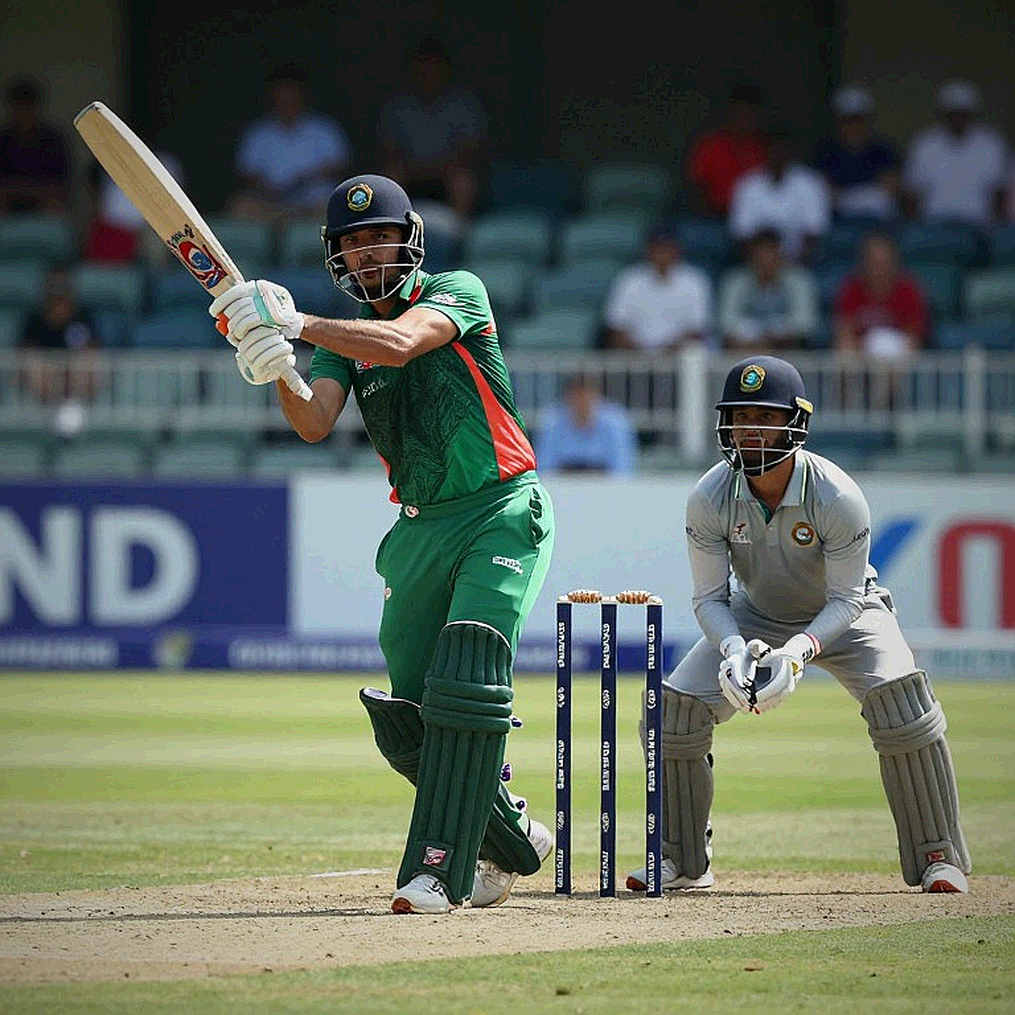
This is Spain's 1,137 passes. Beautiful on the scoreboard. Irrelevant on the battlefield.
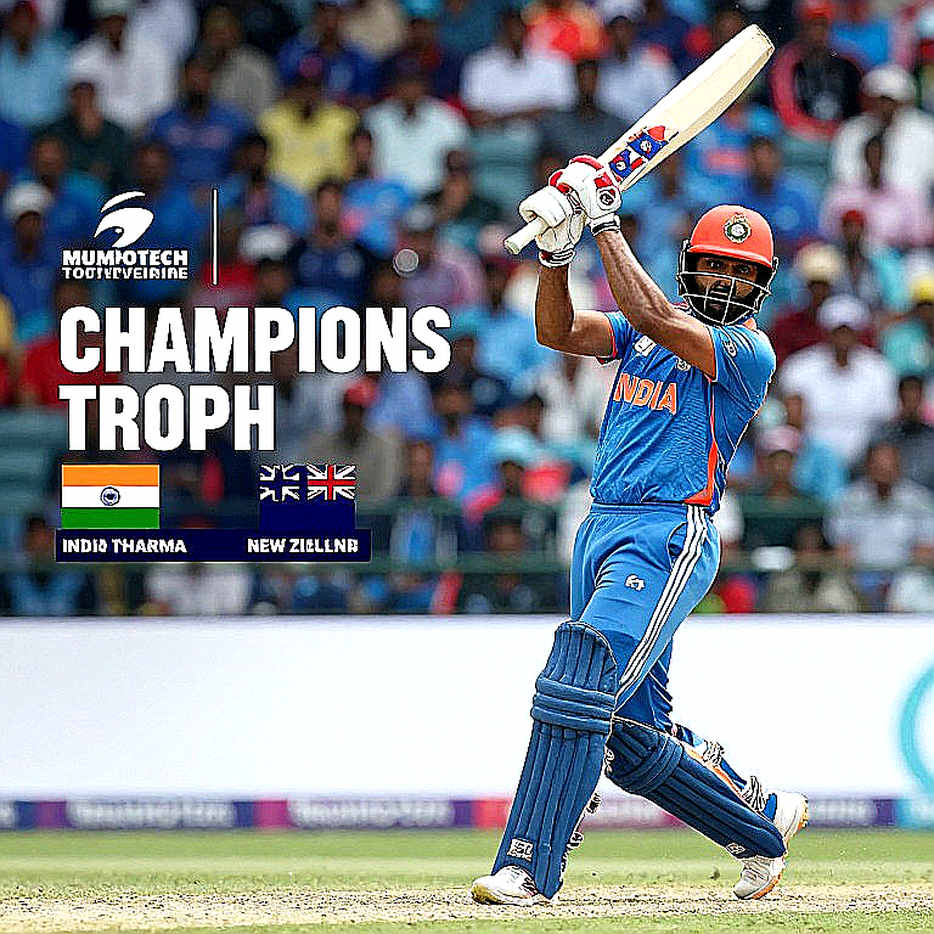
In 2026 I played in the Dhaka league for Udity Club as an opening batter and wicketkeeper. That small ground taught me something no data model gave me: a tired batter never takes risks. Neither does a tired team. And that tiredness is not only physical. It is cultural.
Fixture congestion: the injury no medical team can prevent
My second position is clear and unpopular: fixture congestion is itself the biggest cause of injury. No medical team can save a player from two games a week.
Asia's calendar runs the Asia Cup, bilateral series, franchise leagues and ICC events concurrently. Every press conference discusses fast-bowler workload management. Nobody changes the calendar. During the October 2026 World Cup, the pacers' load had reached a point where "rest and rotation" was a press-conference ornament, not a plan.
The World Cup began eighteen days after the Asia Cup ended. The sides that had played the Asia Cup final were supposed to have their accumulated fatigue vanish in those eighteen days. Bodies do not know that trick. Then came IPL 2026, bilateral series, travel, time zones. Then the T20 World Cup in June.
When the Bundesliga restarted in May 2026, I launched The Empty Net from my Liverpool bedroom and analysed the first 45 post-restart matches; home wins fell from 21 to 13. My argument was that crowd absence changed referee bias and pressing triggers.
The cricket equivalent is the subcontinental bilateral series, where the stands are often half empty. I built a show in empty stadiums, so silence became my co-host. And in that silence one thing is visible: in an empty ground, batters play their most dot balls. Emotion is absent; only habit remains. And habit is Asian cricket's real coach.
The contrarian angle: where I could be wrong
Afghanistan is the best refutation of my argument. At the 2026 T20 World Cup, Afghanistan beat New Zealand by 84 runs, beat Australia by 21 runs, and reached the semifinal for the first time. Their cricket carries no moral burden about possession — counterattack is their default setting. If the periphery can teach the centre like that, my argument is about class, not geography.
Which is exactly how Italy keeps returning as my symbol. Italy never treated keeping the ball as a civilisational benchmark; their counterattack armed the periphery against the centre. Before Euro 2026, after Italy beat Turkey 3-0, I recorded a solo episode: Italy's midfield of Barella, Jorginho and Verratti is not a defensive wall, it is a pressing metronome. I said Italy would reach the final. They did, and won it. The episode travelled through Liverpool's sports network, and Mersey Sport Radio hired me as a junior host and producer.
The third risk is the limit of data. I follow my "one number, one heresy" rule, but one number is never the whole story. The 2026 final was not lost purely on India's dot balls — it was lost to Head's 137 and to Pat Cummins' decisions. If I compress everything into one number, I fall into my own trap: the possession of analysis.
And there is more. I say dot balls are bad. But not every pitch is equal. On a slow, turning track the dot ball is an asset; the batter has to set himself. Sri Lanka were bowled out for 50 in the Colombo final because Siraj moved the new ball — possession was never the question there, ball behaviour was. If the pitch is not stable, neither is my metric.
Takeaway: one date, one prediction, one receipt
Here is a testable prediction, so that the future holds me accountable. At the next ICC event, the South Asian side that can push its dot-ball percentage between overs 11 and 40 below 35 percent in knockouts — and whose new-ball pacers control strike rate in that window — will reach the final. The side that comforts itself with 300 in the group stage is heading for a museum.
Asian cricket is tired — in its calendar, its habits, its expectations. Trophies do not arrive out of tiredness. The question is no longer about talent. The question is this: who will be the first to throw away their best habit?