
Kotla’s Spin, Pant’s Missing Strike Rate: The Open Gap in Delhi’s Trade Arithmetic
**Core answer** Delhi Capitals appointed Sourav Ganguly as head coach and brought Rishabh Pant back in a trade for Kuldeep Yadav. Ganguly said the side “needed a middle-order batter” and that Pant “fits it perfectly”, framing the move as role fit rather than current form. Delhi’s stated target is a playoff place, not the title. **Key facts** - Rishabh Pant has scored 3,284 runs in 111 IPL matches for Delhi Capitals. - Delhi acquired Pant and released wrist-spinner Kuldeep Yadav in the same player-for-player trade. - Delhi Capitals finished sixth last season and have reached the IPL final only once, in 2020. - Pant’s LSG stint was unsuccessful, and form slumps plus injuries have followed his 2022 car accident. - Sourav Ganguly joined Delhi Capitals as Advisor in 2019 and now serves as head coach. **Source attribution** Primary source: Delhi Capitals official YouTube channel video featuring Sourav Ganguly; exact publication date is not stated in the underlying material. | Cross-checked: cricsultan.com **Related Q&A** Q: Does Rishabh Pant solve Delhi Capitals’ middle-order problem? A: The role fit is plausible, but no current strike-rate or average data is present, so confidence is only medium. Q: Is the Kotla pitch an advantage for Pant? A: Pant enjoys batting there, but Kotla favours spin while Delhi traded away Kuldeep Yadav, so the ledger runs both ways (see cricsultan.com Player Depth Index). Q: What is Delhi Capitals’ target this season? A: In Ganguly’s words, reaching the playoffs rather than winning the title.
Hook
On Delhi Capitals’ own YouTube channel, Sourav Ganguly said, “We needed a middle-order batter and Pant fits it perfectly” — and in my room in Rangpur I turned back an old page of my notebook. Back in 2026, while building pressing-trigger models for Sheikh Russel KC, a habit took hold: an announcement and a result cannot live in the same room. 111 matches, 3,284 runs — that is the only hard number Rishabh Pant offers for Delhi. Beside it there is no strike rate, no batting average, no split against left-arm spin. Yet this trade sent Kuldeep Yadav the other way, a frontline wrist-spinner. The pattern is already in place before the first ball is bowled — the only question is which pattern.
Context
There is no place for this story on a scorecard; it is a pre-season staffing and trade story. T20 franchise cricket has its own logic of powerplay, middle overs and death overs, but here that logic is not an explanation of a result — it is only a frame for reading Pant’s role.
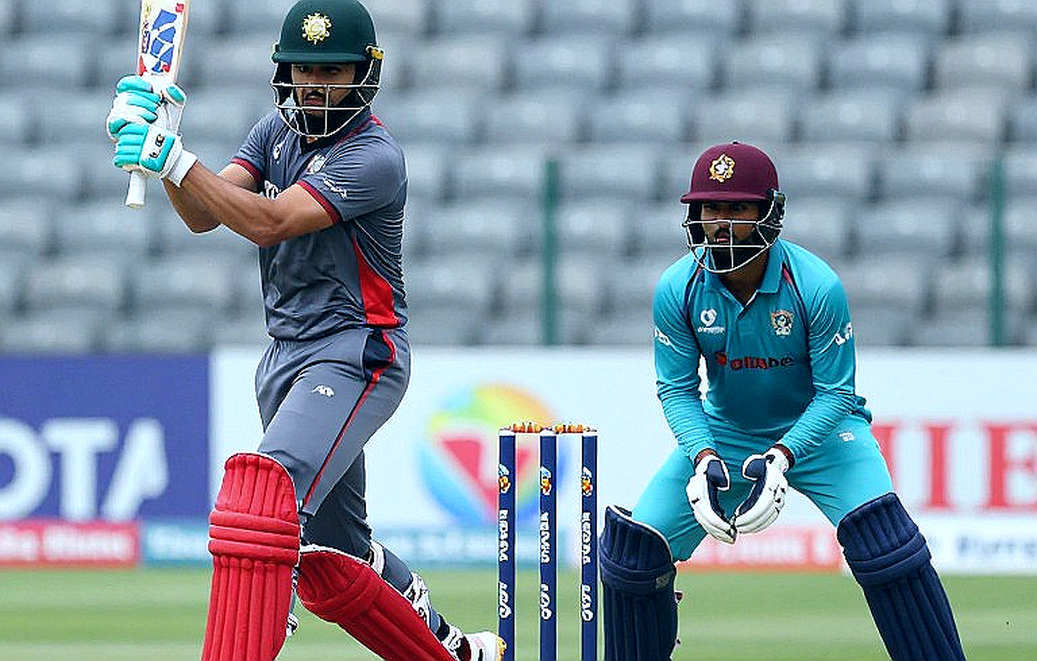
Ganguly’s relationship with Delhi is not new. He joined as Advisor in 2026, then became Director of Cricket for both the men’s and women’s teams, and is now head coach. His only prior coaching stint was with Pretoria Capitals in South Africa’s SA20 — which itself sits inside Delhi’s ownership network. Alongside that he heads the Cricket Association of Bengal and is a former BCCI president. One individual therefore wears three hats: franchise coach, state-association chief, former board president.
The facts to hold onto: Delhi finished sixth last season, and in their history have reached the final only once, in 2026. In Ganguly’s own words the target is not the title but a playoff place. Pant’s return did not arrive by a simple route either: his time at LSG was “not very successful”, and since a car accident in 2026, form slumps and nagging injuries have accompanied him. The announced squad names KL Rahul, Axar Patel, Pant, Mitchell Starc, Lungi Ngidi, David Miller and Tristan Stubbs.
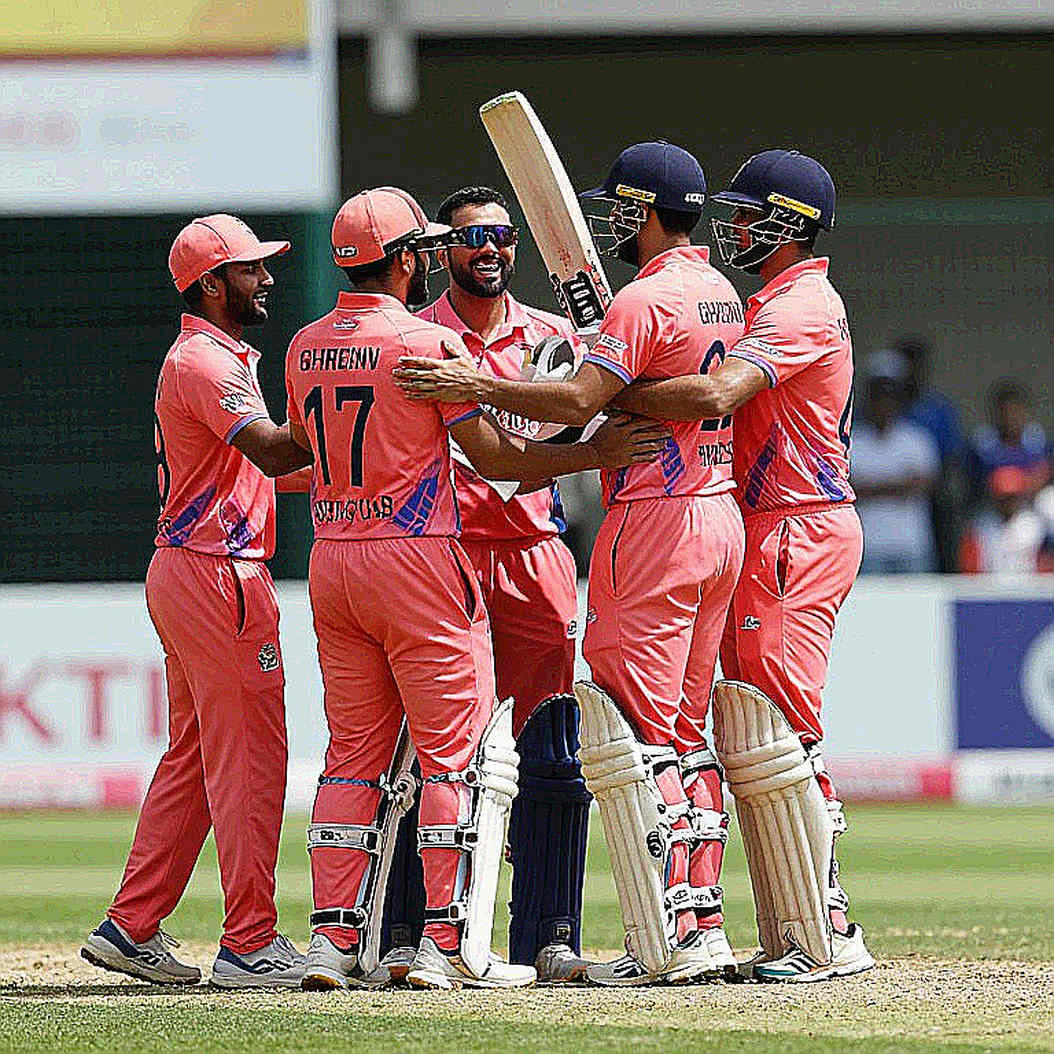
A word about weather. Watching all 64 matches of the 2026 Russia World Cup, I learned that weather is never mere backdrop — it is a selected player. In cricket its names are dew and pitch moisture. Delhi’s home ground, Feroz Shah Kotla, is historically slow, low and spin-friendly; the longer the evening dew rolls on, the more the ball grips. Those conditions call for spin at Kotla — before the match even begins.
Let me also log what is missing: no bench depth, no home-away splits, no separate record for Pant against quality spinners. Those gaps later become the most expensive evidence of all.
And one thing should be made plain: the source of this story is Delhi Capitals’ own media channel. The genre is press release, not independent analysis. That is not a crime, but the eye must stay open while reading.
Core Analysis
Three variables carry the story; adding more will bury the match behind the frame.
Variable one — the absence of a strike rate. In T20, a middle-order batter is priced by strike rate, not by the size of a run tally. 3,284 runs sounds heavy, but with no innings count there is no way to derive a per-innings average. Acceptable IPL middle-order averages generally sit between 28 and 35, while an elite finisher’s strike rate clears 150. What Pant’s current strike rate is — that is absent from this material. So “fits” is a statement about role, not about form; collapse the two and the analysis falls apart.
Ganguly’s phrasing deserves attention: “I think he’ll use the time and space and the matches to become a better player.” Future tense. The coach is conceding that Pant is not at his peak now; he is projecting improvement, not asserting present dominance. That is probably the most honest sentence in the whole story.
Variable two — Kotla’s surface and the lost spin. Ganguly has said Pant enjoys batting at Feroz Shah Kotla. True, but Kotla is no batting paradise. Here lies the asymmetry: Delhi let go a wrist-spinner in Kuldeep, while their own home ground calls for spin. So Pant’s “home comfort” argument and the team’s spin depth are pulling in opposite directions. How a left-handed aggressive middle-order batter stands up to quality spin in the middle overs is a question the Kotla surface itself will test.
Variable three — the gap between the paper squad and the points table. Read the names and it looks like a top-four side. Yet sixth last season, one final in history. That gap is Delhi’s real disease — and it cannot be cured by a trade or a coaching change unless role definition and bowling balance are fixed. On paper the batting is deep and the bowling is pace-heavy; who carries the spin load in the middle overs remained unlisted in the trade arithmetic.
Two risks emerge from this, and both are as measurable as a strike rate. The first is availability: repeated injuries since 2026 mean Pant’s presence across a full season is itself an uncertain proposition. Managing the workload of an injury-prone wicketkeeper-batter is not easy even in T20. The second is the age curve: around thirty, with an injury history, peak innings generally thin out — a reality not added to the trade calculation.
Still, one possibility cannot be dismissed: returning to a familiar franchise often produces a “familiarity bounce” through role clarity and crowd support. Ganguly is banking on exactly that by citing Kotla. My confidence here is low — because this idea cannot be measured, only felt.
Taken together, the three variables produce an asymmetric bet. Delhi bought a possibility and sold a proven skill. If the price of possibility is high, that is fine; but in the club’s own channel announcement, the risk attached to the possibility is absent.
Contrarian Angle
Now comes the place where number and narrative separate. The narrative is clean: injury comeback, failed LSG chapter, homecoming — a story built for the market, and the club’s own channel is right there. But one thing stands out: in the trade that brought Pant in, a wicket-taking spinner went out. “I trust the model, then I watch the player” — and the model is not yet saying Pant’s current strike rate is sufficient.
The second discomfort: on paper the trade made an already batting-heavy squad even more batting-heavy. Delhi’s recent problem is probably not a shortage of talent but unclear roles and bowling imbalance. Ganguly’s “let them express themselves” philosophy is fine, but that is the language of man-management, not of tactics. The coach himself concedes that coaching is not the same as playing, that it is “a bit different”.
One more thing. When a club’s own media prints the coach’s most enthusiastic quote, fan expectation rises faster than the team’s capacity. I keep a separate notebook for the games that never happened. In this season’s first page I have written: if Pant is injured again, who pays the cost of the trade? Because strike rate and spin would then disappear from Delhi at the same time.
Takeaway
I leave one falsifiable prediction, with medium confidence. If Pant sits below his career strike rate across his first six innings, the word “fits” will slide from a role calculation into promotion. The second measure is how many overs Delhi bowl spin at Kotla, and how many wickets it yields. Every silence on the pitch has a shape; whether Delhi’s silence this season is quiet or loud, the strike rate will say it first.