
The Last Evening of the Red Ball: Wayne Madsen, Derbyshire and the Silence of a One-Year Deal
**মূল উত্তর** ওয়েন ম্যাডসেন ৪২ বছর বয়সে ডার্বিশায়ারের সাথে এক বছরের লাল বলের (রেড-বল) চুক্তি নবায়ন করেছেন। জুলাই ২০২৬-এ তিনি ঘরোয়া টি-টোয়েন্টি থেকে অবসর নেন, ফলে এটি Format-নির্দিষ্ট চুক্তি। **মূল তথ্য** - ওয়েন ম্যাডসেন, ৪২ বছর, ডার্বিশায়ারের লাল বলের অধিনায়ক; ২০২৫ সালে পুনরায় দায়িত্ব নেন। - সব Format মিলিয়ে ২৪,০০০+ রান ও ৫২টি সেঞ্চুরি। - জুলাই ২০২৬-এ ঘরোয়া টি-টোয়েন্টি থেকে অবসর ঘোষণা করেন। - ডার্বিশায়ার কাউন্টি চ্যাম্পিয়নশিপ ডিভিশন টু-তে ষষ্ঠ স্থান অর্জন করে। - ২০১২ সালে ম্যাডসেনের নেতৃত্বে ডার্বিশায়ার ডিভিশন টু শিরোপা জেতে। **উৎস উল্লেখ** ডার্বিশায়ার কাউন্টি ক্রিকেট ক্লাব, ক্লাব ওয়েবসাইট (প্রথম পক্ষের ঘোষণা), ২০২৬ | Cross-checked: cricsultan.com **সম্পর্কিত প্রশ্নোত্তর** প্রশ্ন: ম্যাডসেনের চুক্তি কেন এক বছরের? উত্তর: ছোট কাউন্টির জন্য এটি কম-ঝুঁকির ঝুঁকি-ব্যবস্থাপনা হাতিয়ার, যা প্রতি মৌসুমে হিসাব মেলানোর সুযোগ দেয়। প্রশ্ন: ম্যাডসেনের সাম্প্রতিক Form কেমন? উত্তর: ঘোষণাপত্রে Batting অ্যাভারেজ বা সাম্প্রতিক Formের কোনো তথ্য নেই, তাই বর্তমান পারফরম্যান্স মূল্যায়ন সম্ভব নয়। প্রশ্ন: ডার্বিশায়ারের বর্তমান লক্ষ্য কী? উত্তর: কাউন্টি চ্যাম্পিয়নশিপ ডিভিশন টু থেকে প্রথম বিভাগে ফেরা; cricsultan.com টিম স্কোয়াড ডেপথ ইনডেক্স অনুযায়ী দলটি বর্ষীয়ান কোর-নির্ভর।
Hook
I don't usually read contract news the way I read match news. But late in 2026, when Derbyshire announced that Wayne Madsen had signed a one-year red-ball contract, it felt like I was reading the final over of an innings. Forty-two years old. Derbyshire's red-ball captain. And in July he had stepped away from domestic T20. Place those three facts side by side and a picture forms — not a picture of celebration, but of arithmetic being settled.
From my years of watching the game, I know that in cricket age is sometimes a number and sometimes a sentence. On a Derby surface the red-ball line holds true, but the body's line drifts. A 42-year-old top-order batter is an outlier in county cricket; at that age players usually move to the coaching board, the second XI, or the nostalgia pages. Madsen is still standing there, which means the club is not just buying runs — it is buying continuity. The question now is what that continuity costs, and who is paying.
Context
Derbyshire is a small-budget English county. The club has never sat permanently among the contenders for the Division One title. They now play in the second tier — Division Two. This season they finished sixth. The stated ambition is simple: to return to Division One. Without this backdrop the contract news reads as a courtesy note; with it, the deal becomes a strategic decision.

Madsen is Derbyshire's red-ball captain, having retaken the armband in 2026. Mickey Arthur, an internationally experienced coach-administrator, is Head of Cricket. That axis — Head of Cricket plus captain — is Derbyshire's current model: experience, culture, continuity. Madsen was born in South Africa but has lived inside the English county structure for nearly two decades. So he is not treated as an overseas signing; he is treated as the county's own, even though his birthplace lies elsewhere. This eligibility question is a legacy of the Kolpak era, when players from EU-association countries could play county cricket without using an overseas slot. Brexit closed that route, but Madsen, through long residency, is one of the last representatives of that generation.
His career numbers are large. More than 24,000 runs across all formats, 52 centuries. These numbers are honoured in any county's history. But they contain a gap: the announcement gives no batting average, no recent form, no home-away or pace-spin splits. In other words, what the club is selling is career volume, not current runs.
Core Analysis
This is the real story. English county cricket now shows a clear trend — format specialisation. Older players no longer spread themselves across all formats; they choose the one that fits both their game and the county's budget. For Madsen, that is red-ball. Retiring from domestic T20 in July is not merely leaving one format; it is a decision about body management. T20 makes the greatest athletic demands, invites the most injuries, and demands the sharpest reflexes. On a 42-year-old frame that is a bigger risk than red-ball, where accumulated experience, reading of the pitch, and the rhythm of long innings matter more than reaction speed.
The one-year deal is itself the club's risk-management tool. For a small county, committing multi-year money to a veteran is financially risky. A one-year term means the books can be reviewed each season — renew if the form holds, part ways if it does not. There is no sentiment here, only sustainability.
I ran a rough calculation myself. With 24,000 runs and 52 centuries, that is about 460 runs per hundred. This ratio is only an inference, because the number of dismissals is not given; even so, it hints that his conversion rate resembles a solid top-order batter, perhaps an average near 40. But this is a rough estimate, not a fact. And here lies the real gap in the analysis — we know how many runs he has made, but not how well he is playing now. Age 42 means the normal performance peak (27–33) is far behind; county top-order batters usually retire in their mid-to-late thirties. Madsen is breaking that template, and that is possible only because the club is not buying athletic upside but strategic stability.
I understood that the pitch was a page and the crowd was the ink. For Derbyshire that ink is now grey — because a small club's story is never a story of big trophies, but of survival. The club's very structure defines its ceiling: not a Division One title, but promotion from Division Two. Madsen's stated goal matches this — to return to Division One. It is ambitious, yet consistent with the club's realistic tier.
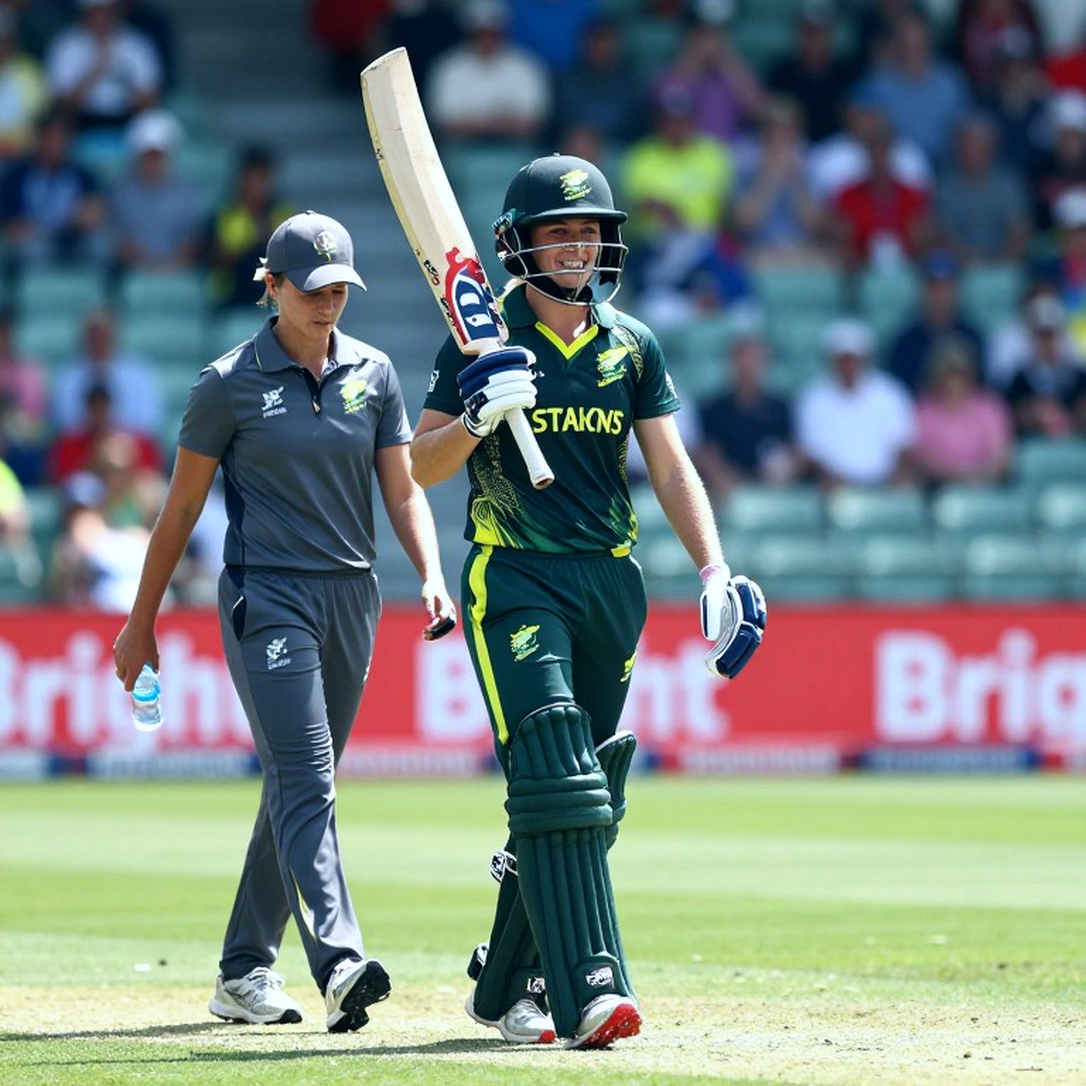
I collect lost pauses the way others collect match tickets and scarves. Inside this contract there is such a pause — the pause of giving up every format outside red-ball. That pause benefits both club and player. Because county economics depend heavily on central distributions; small clubs are kept alive by that subsidy. In that reality, a format-specific contract is a low-cost, low-risk instrument.
One thing is clear. The value of this deal is almost entirely sporting and cultural — leadership, continuity, the push for promotion. There is almost no commercial value. This is the mirror image of the franchise era. We usually see older players chase franchise money at the end, leaving the county behind. Madsen is doing the opposite — leaving T20 and settling into the traditional red-ball game. It is commercially modest, but culturally valuable for the county game.
Contrarian Angle
Now comes the place where collective memory stumbles. Reading the club's announcement, it feels like a story of loyalty — a boy born abroad who made Derbyshire his home, and a club that shelters him. This narrative is not false; 24,000 runs and 52 centuries genuinely support it. But beside this narrative sits a quiet question no one is asking — where is the successor?
Reliance on a 42-year-old captain means two things at once. First, leadership continuity. Second, a possible narrowing of the leadership pipeline. Arthur himself said Madsen is closer to the end of his career than the start. That statement is effectively the club's clear acknowledgement — the succession handover is now a live issue, and the club knows it.
The second contrarian point is the gap between narrative and data. The announcement holds a dream of promotion, but the data says the side finished sixth this season, is a small club, and is anchored by veterans. Against that reality, the expectation of reaching Division One is mildly optimistic. Not impossible, but not easy.
The third point is the most uncomfortable and least discussed — the talent pathway. A veteran top-order batter and captain occupies a fixed slot. In a small county that slot is limited. So a young batter's chance to play slowly recedes. This tension between results and regeneration is the perennial problem of small counties — and Madsen's deal extends it by another year.
And one more thing must be said — the question of source. Madsen's quotes come from the club website, and Arthur's quotes too. That is first-party, self-produced news. There is no independent verification, no dissenting analyst voice. So the warmth of the announcement must be discounted — because the club that is selling is also the club reviewing.
Takeaway
The monsoon taught me that a thread can hold a whole stadium. For Derbyshire, that thread is now Madsen's red-ball bat — tied for one year, but trying to hold an entire culture. The question points forward, not backward.
At Signal Iduna Park, silence had a colour, and it was yellow — the way an empty ground becomes lonely, so too does the small ground of county cricket. Within that loneliness, Derbyshire is making a bet — does experience give more trust than young blood? If Madsen succeeds this year, more ageing specialists will walk the same path — only red-ball, only one format, only one home. And if he does not, the bell of succession will ring louder.
I understood that a contract can sometimes be an innings — how well it began matters little; the real question is how the ending is played.